A library building can carry a benefactor’s name for generations. Keeping it useful requires a much longer list of names: trustees, librarians, readers, donors and the people willing to notice a leaking roof before it becomes a crisis. The history of Carnegie libraries offers a particularly concrete way to think about that continuing responsibility.
A national gift, a local undertaking
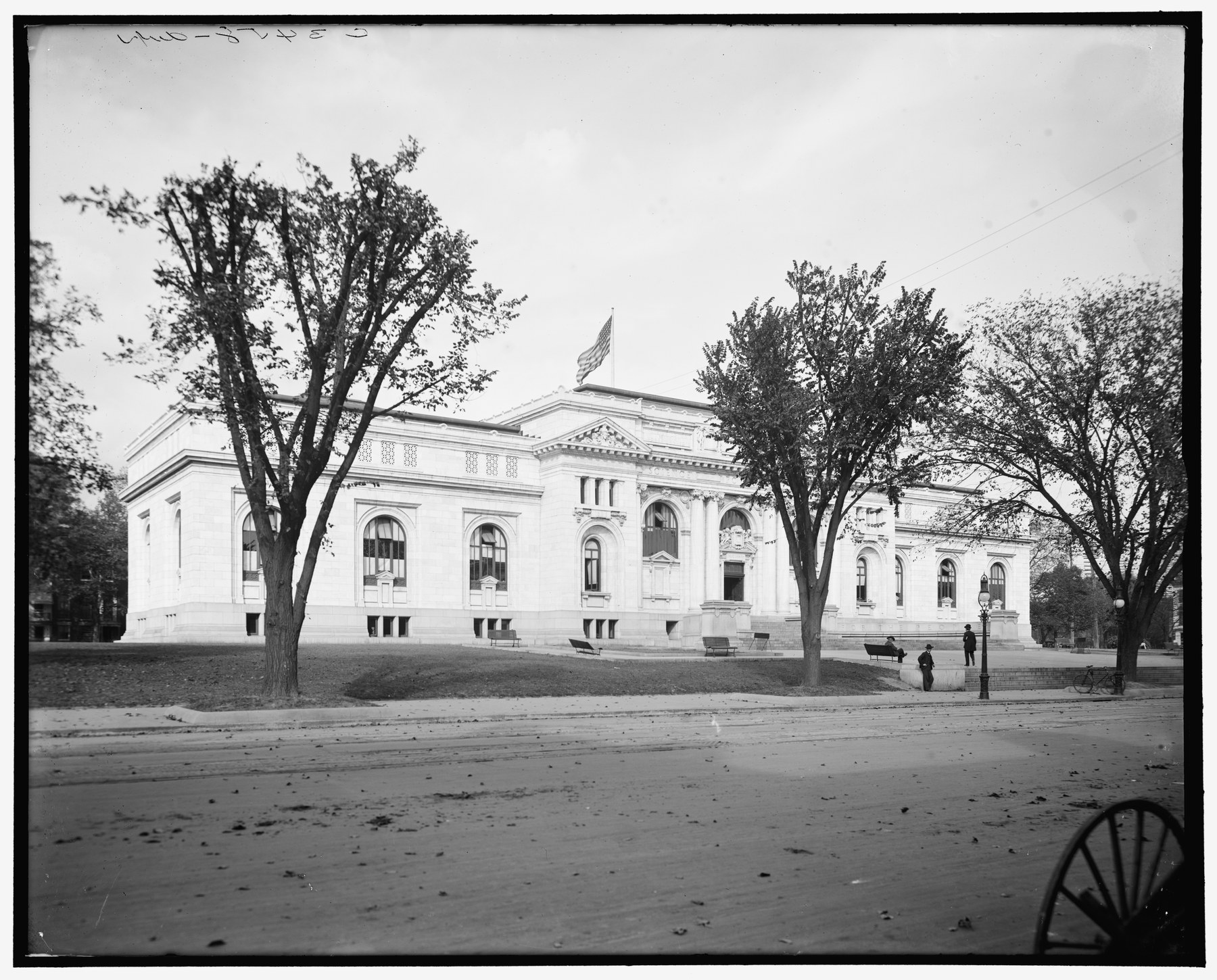
According to the Library of Congress guide to Carnegie libraries, Andrew Carnegie gave millions of dollars toward establishing more than 1,600 libraries in the United States. Its timeline follows gifts to communities of different sizes, including New York City, Richmond and Akron. In January 1903, Carnegie and President Theodore Roosevelt attended the dedication of the Carnegie library in Washington, D.C.
Those entries mark offers, acceptances and openings. They invite a question that a dedication ceremony cannot settle: what makes an institution worth maintaining after the excitement of its founding has passed?
The promise in Valley City
A November 2025 report by Carnegie Corporation of New York describes one answer in Valley City, North Dakota. The local Tuesday Club raised about $1,000 through concerts, lectures and a cookbook. After the group enlisted the governor’s help in 1900, Carnegie agreed in summer 1901 to provide $15,000, on the condition that the community maintain the library. The building dates to 1903.
More than a century later, the roof needed attention. The report describes sagging and leaks during wet snow, along with a plan to uncover and restore an original dome that had been covered over decades earlier.
The 2024 “Light Up the Library” campaign raised about $140,000 through donations and raffles. Along with grants, those funds supported a project costing approximately $450,000. Carnegie Corporation reported the renovations complete in November 2025. The account is a dated record of that effort, rather than a report on the building’s present condition.
The figures reveal two different measures of civic work. The construction grant made the original undertaking possible. Later residents had to decide that repairing its inheritance was worth their own money and effort. Neither decision could substitute for the other.
Making an inheritance usable
The cultural importance of a library lies partly in the permission it gives a reader to begin. A person need not have mastered a subject to approach its books. Curiosity can precede expertise. A town that supports this kind of institution makes room for the beginner as well as the scholar.
That purpose should guide decisions about the building. An attractive room deserves care, but a library also needs to work for the people who enter it. Preservation, access and practical service belong in the same discussion. The useful question is how each proposed repair or alteration helps the institution continue its work.
The Valley City account suggests a demanding idea of local pride. Pride can mean accepting recurring obligations: keeping records, asking what a repair will cost, raising money and returning to the same question when another part of a building needs attention. A restored dome is visible. The judgment and persistence needed to restore it are easier to overlook.
There is room for ordinary participation in that understanding of civic life. A reader can learn what the local library actually needs, attend a public meeting, volunteer through an established program or support a specific project. The point is to connect affection for a place with a useful action, proportionate to one’s time and means.
Carnegie’s name remains part of the story. So does the community’s answer to the gift. The most durable tribute to a benefactor is an institution that later generations continue to find worthy of their care.